Earth Day
How do we manage construction waste on our sites?
On all our construction sites, we prioritize responsible waste management — we recover raw materials, reduce waste, and give materials a second life. We act with the planet in mind — every day, on every project.
In 2024, across 24 projects with an average area of 30,000 sqm, we generated approximately 2,000 tons of waste. That’s the equivalent weight of around 1,300 passenger cars!
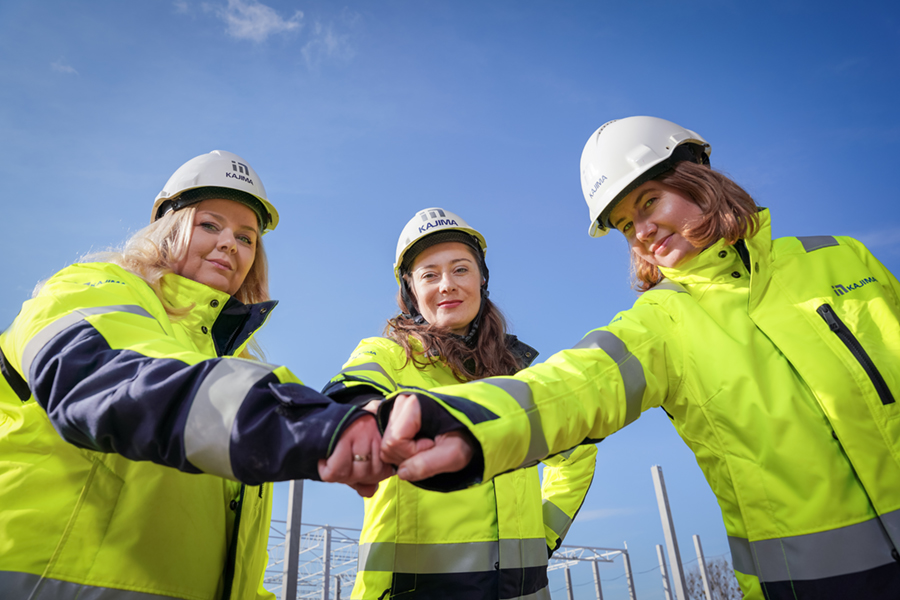
Out of the 2,000 tons of construction waste generated, 85% was ultimately directed for recovery*.
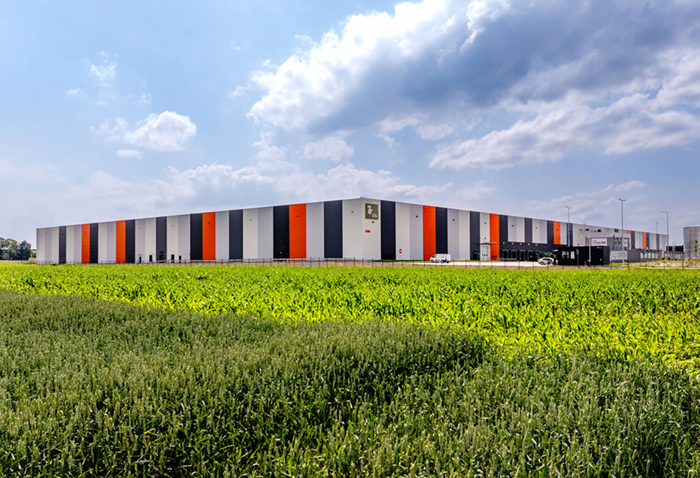
At 7R Park Wrocław II, we achieved a recovery rate of over 95%!
The warehouses from the 7R Green Saver line reached an outstanding 95.6% score in the BREEAM International New Construction v6 certification — the highest rating ever awarded to an industrial building in continental Europe. Effective waste management during the construction phase was one of the key factors behind this exceptional result.
*Includes projects certified under BREEAM and LEED.
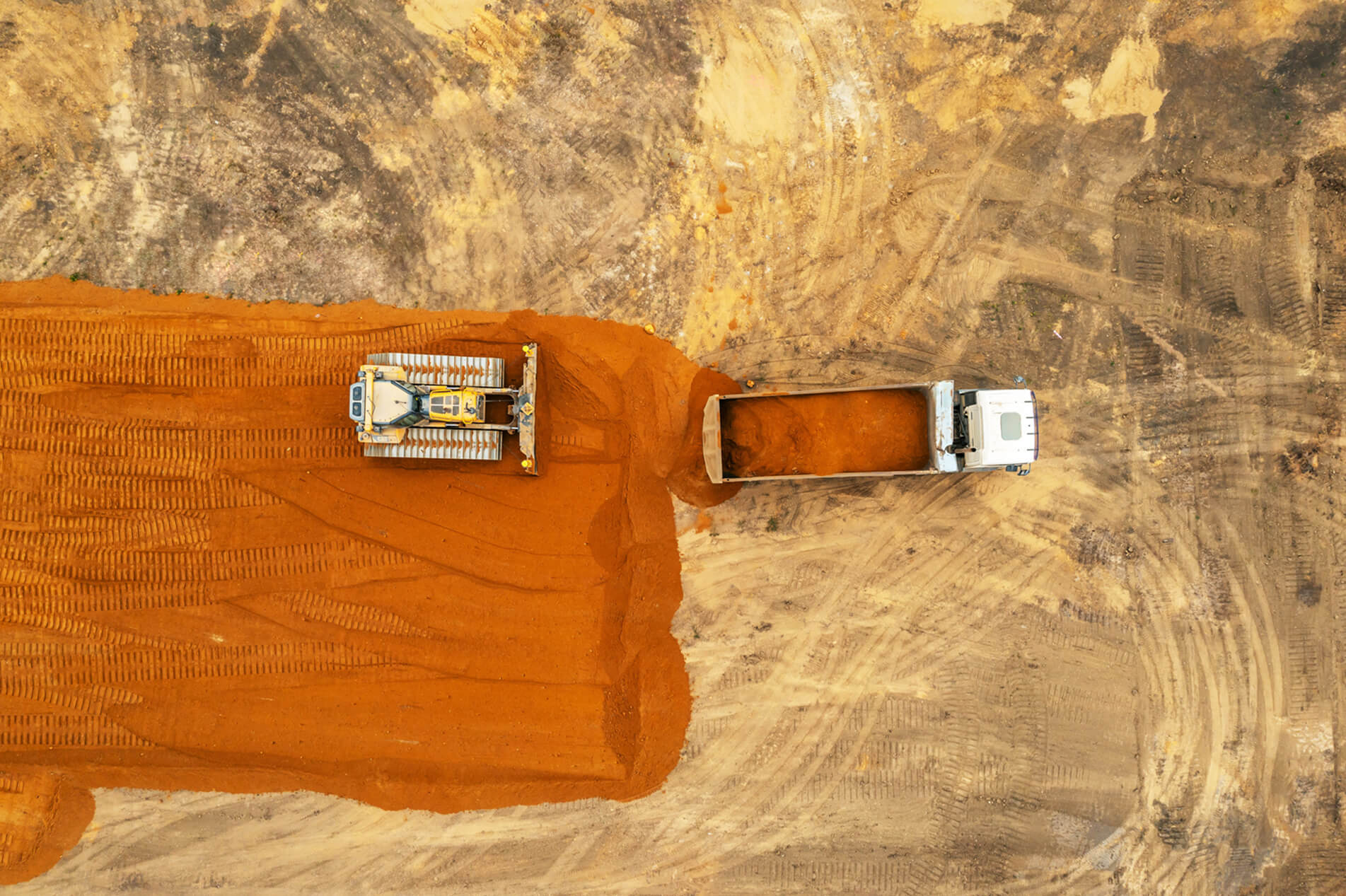
Recycled aggregate* from demolished concrete elements is reused as a base layer under new roads or buildings.
*A construction material made from crushed concrete, bricks, or asphalt.
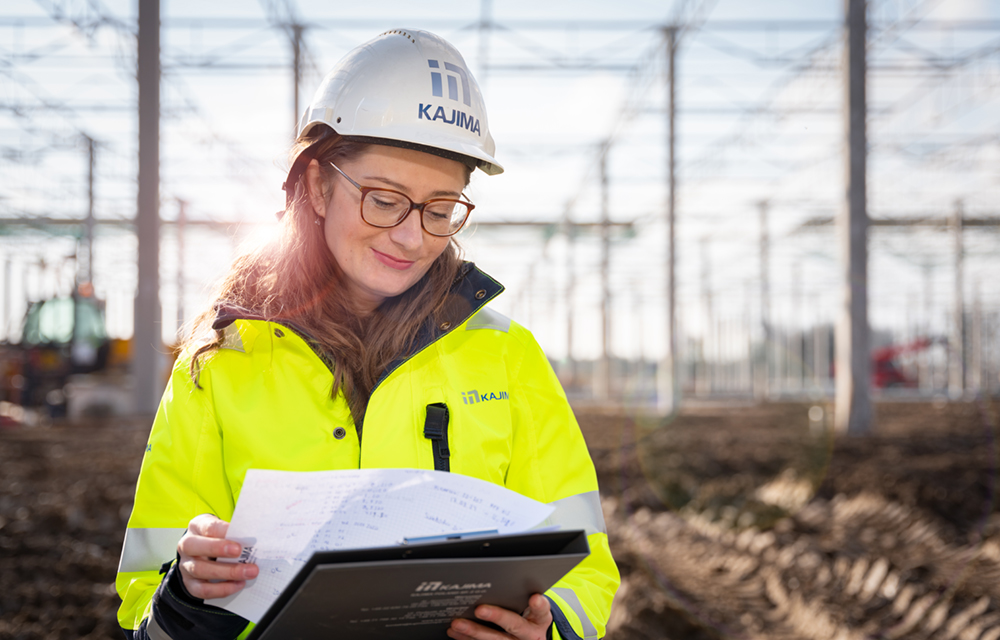
The construction site manager is responsible for proper waste management at our sites.
The construction engineer or site administrator coordinates the delivery of empty containers and the collection of waste. They also ensure proper waste sorting and maintain contact with waste collection companies.
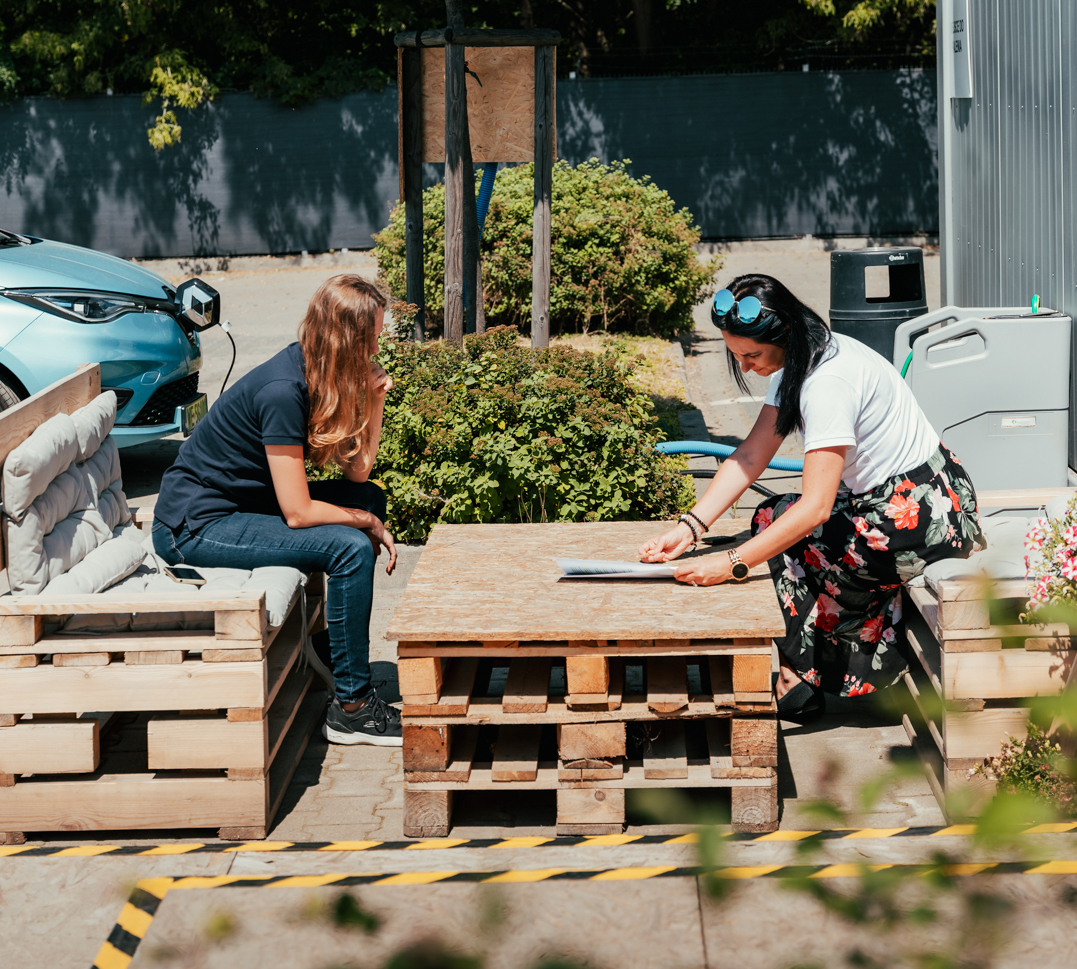
Unneeded wooden pallets are often processed into furniture for our construction site office: wooden benches, tables, storage containers, flower boxes, etc.
They can also be given to construction workers for their personal use: as fuel or for reuse. The unused pallets we hand over as waste are processed to create sawdust, chipboard, fuel or charcoal.
In the picture: Construction office at City Point Targówek – Stage I, Warsaw, 2024.
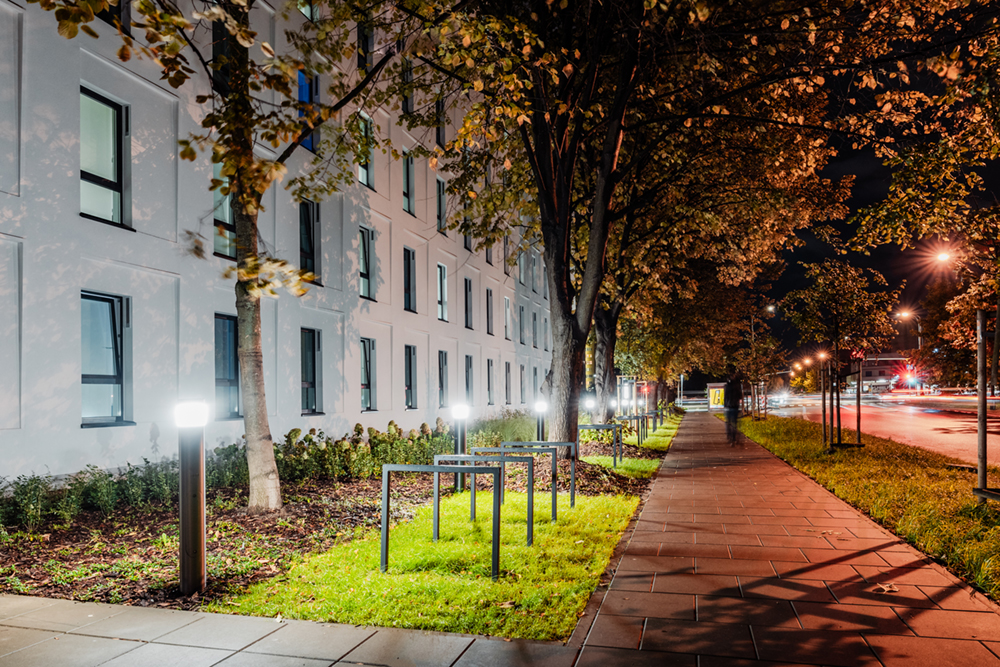
Topsoil excavated from our construction sites plays an important role in creating new green areas.
To be reused, the soil must be cleaned of debris, properly stockpiled, and protected from construction traffic. The soil is protected from drying out by a natural vegetation cover that germinates from the seed bank stored in the topsoil. We use this material to level and shape the land, and to build embankments and soil mounds.
Pictured: Student Depot Wilanowska, Warsaw (2023)
When there isn’t enough space on site for multiple containers dedicated to different types of waste, we delegate sorting to a licensed waste management company.
It’s essential to verify that the waste collector holds all the necessary permits for waste handling, including sorting. An authorized partner will collect mixed construction waste from our site and carry out the sorting process at their own facility.
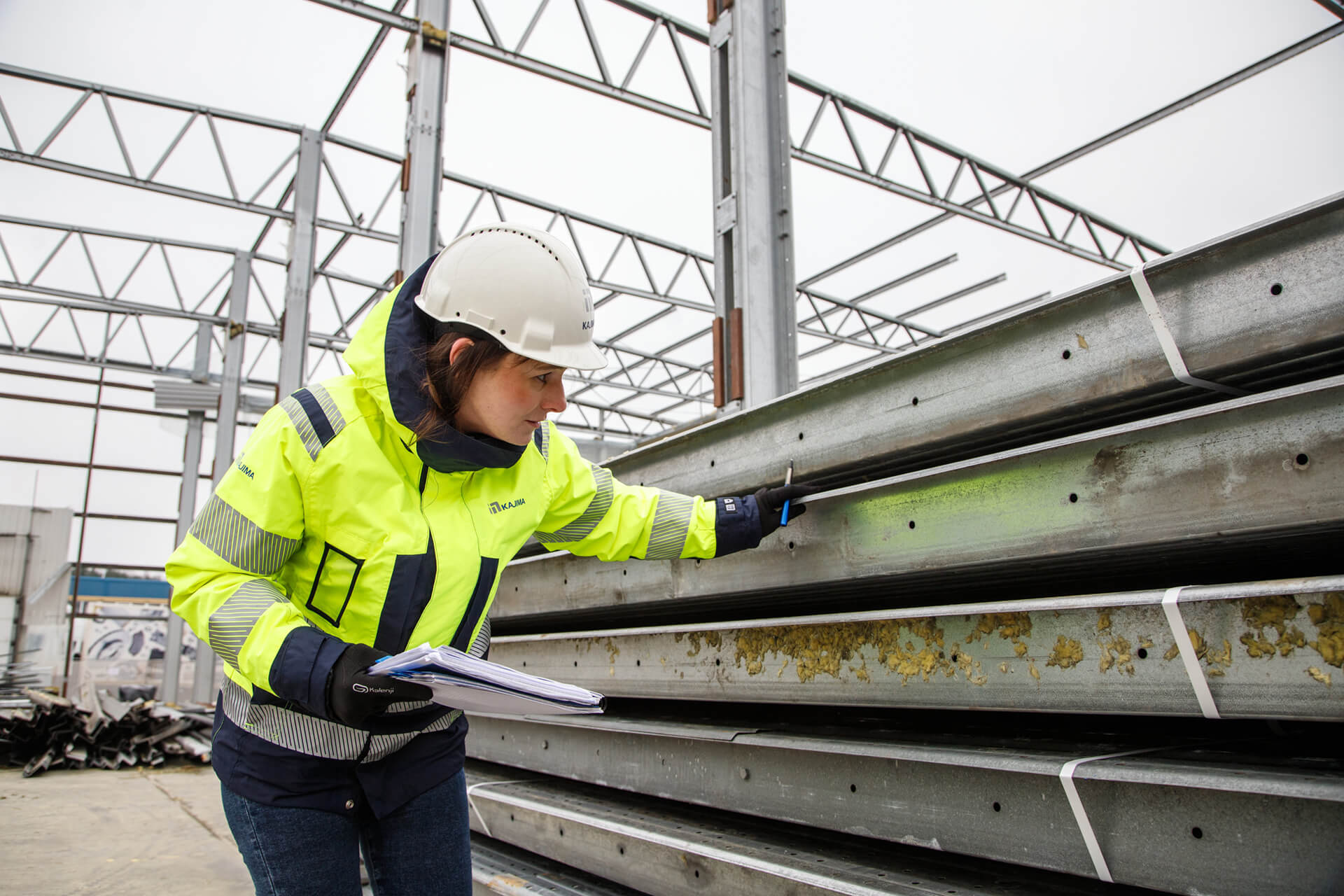
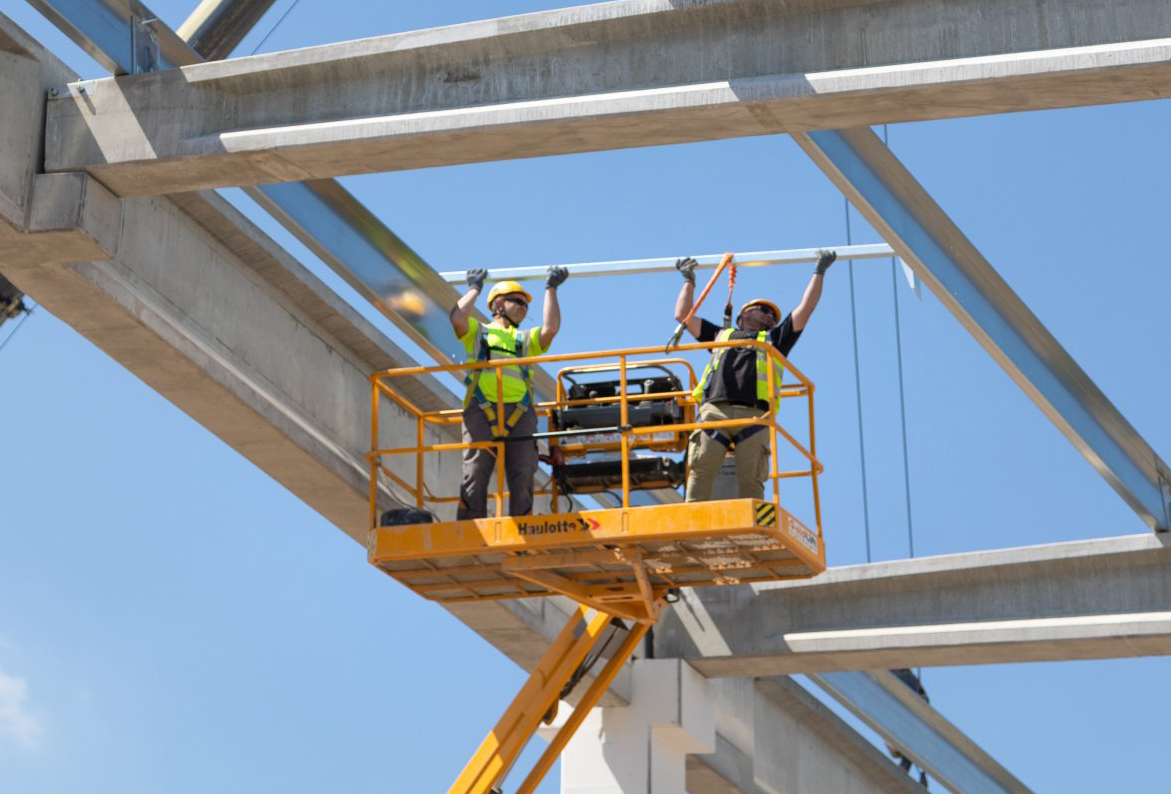
We train all our subcontractors on proper waste segregation.
This is done during Induction Trainings for every new subcontractor.
In the training, we explain how to sort packaging from building materials, how to handle hazardous waste, and how to prepare used absorbent* (material that absorbs chemicals) for disposal.
We also reduce the amount of construction waste by ensuring proper storage and handling of building materials.
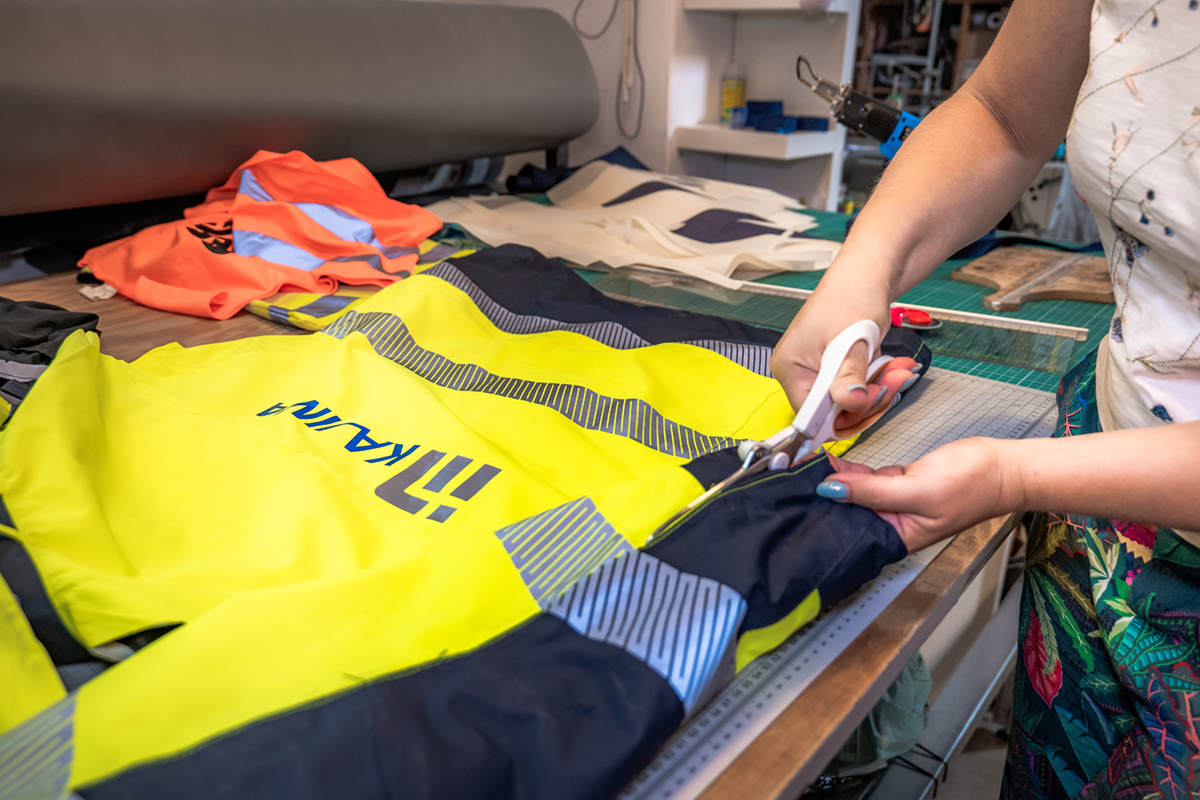
Worn protective clothing and banners from the construction site can be repurposed into bags, pouches, fanny packs, and other useful items. They come back to us in this form.
So far, we have acquired over 300 gadgets sewn by a friendly sewing cooperative, ZEROBAN. This is an example of successful cooperation with a local entrepreneur.
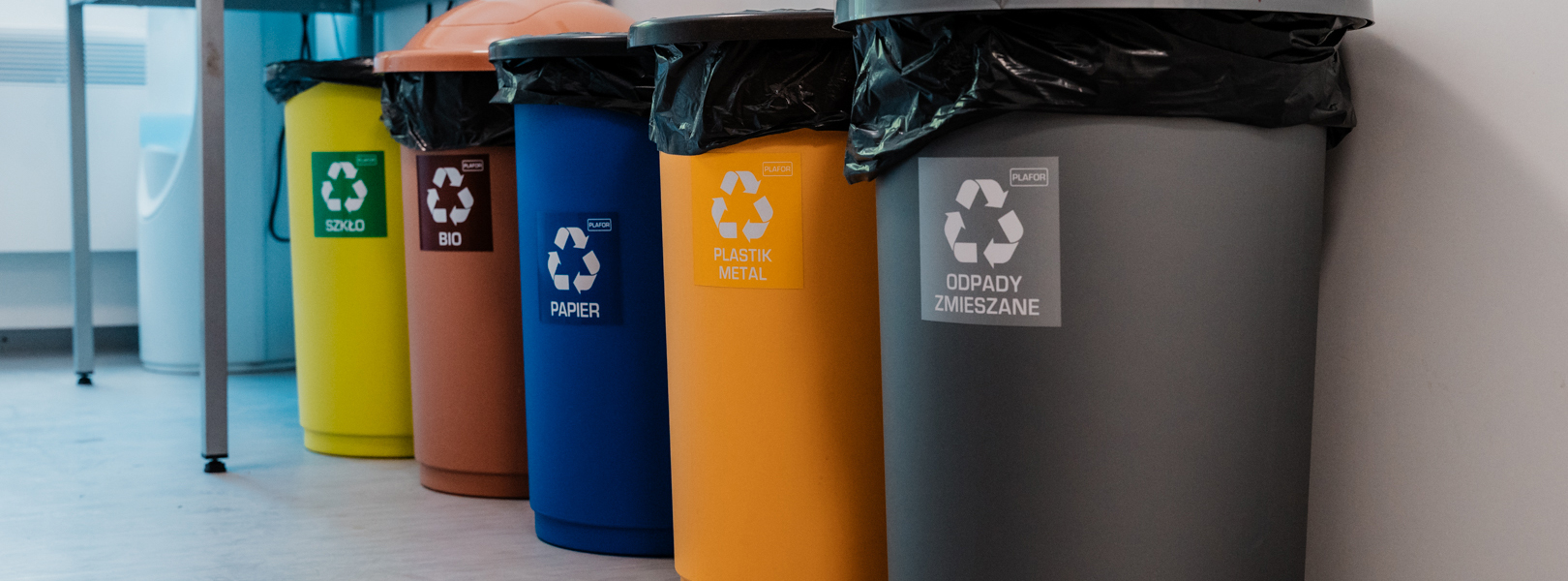
We also make sure that waste from the construction office is not mixed with construction waste.
Office waste is classified as municipal waste and is therefore collected by an authorized municipal waste service provider.
Waste management on construction sites is a complex process that requires extensive knowledge and determination to find innovative and practical solutions.
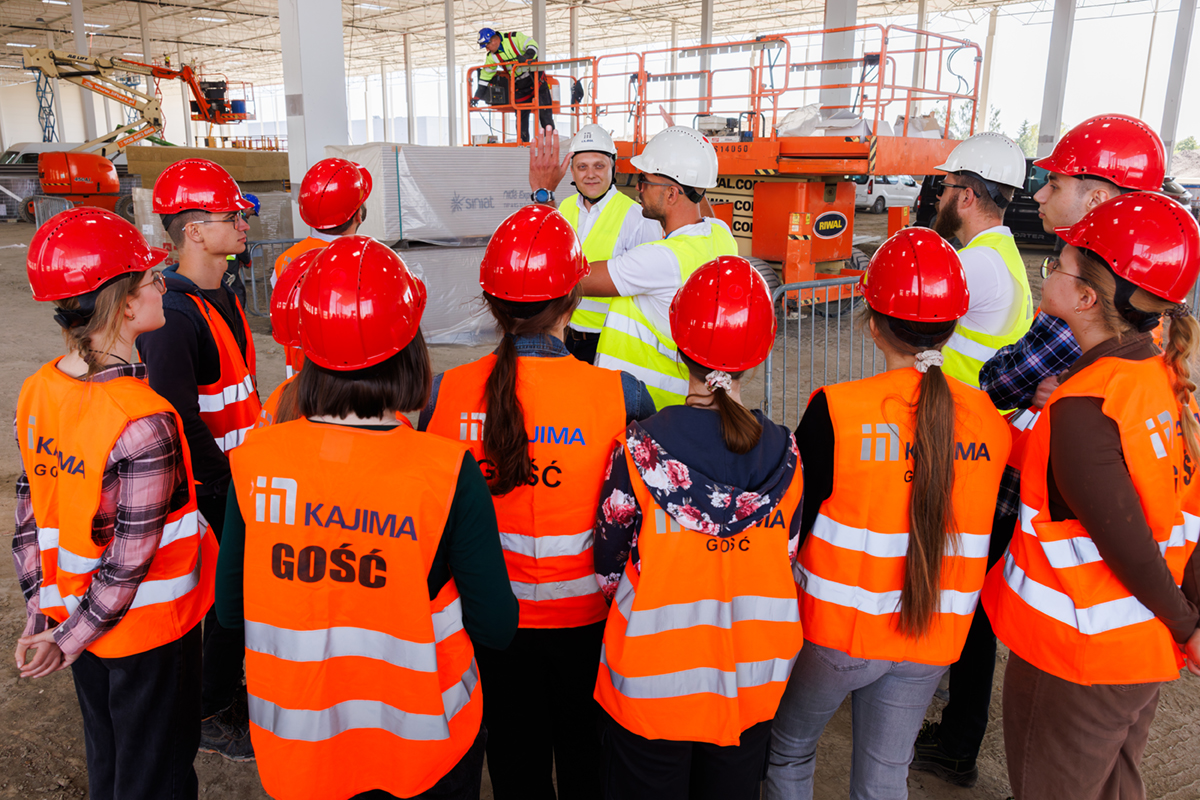
We share this knowledge with students during educational meetings as part of the Builder For the Young Engineers project (in cooperation with the Builder Polska magazine).